Learning
How timing, practice, and reflection change what people can become.
Scientist · Educator · Author
Ideas and field notes shaped across medicine, universities, countries, and cultures.
Explore the thinking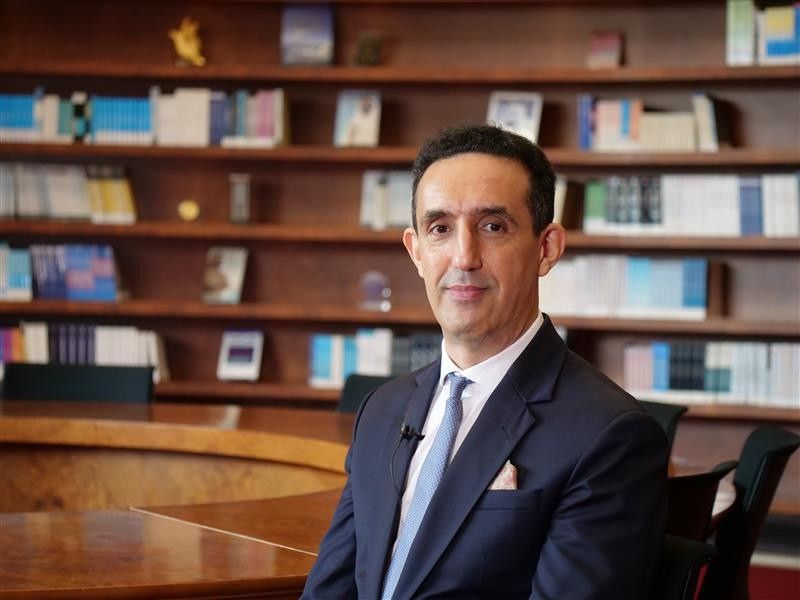
01 / Current thinking
Frameworks are useful only when they sharpen judgment. My current writing asks what becomes visible when we stop treating the framework as the answer—and start examining the conditions around it.
The monthly letter is the clearest current expression of this work. Begin with a practical field guide for seeing difficult problems differently.
Read about the monthly letter02 / Areas of inquiry
How timing, practice, and reflection change what people can become.
How choices, experiments, and identity make a new path possible.
How universities and organizations build—or constrain—capability.
How judgment and foresight help us act before certainty arrives.
03 / Selected books
The books develop these ideas at full length. NeuroInk Press is their publishing home—the place for the complete catalogue, editions, and reading links.
Visit NeuroInk Press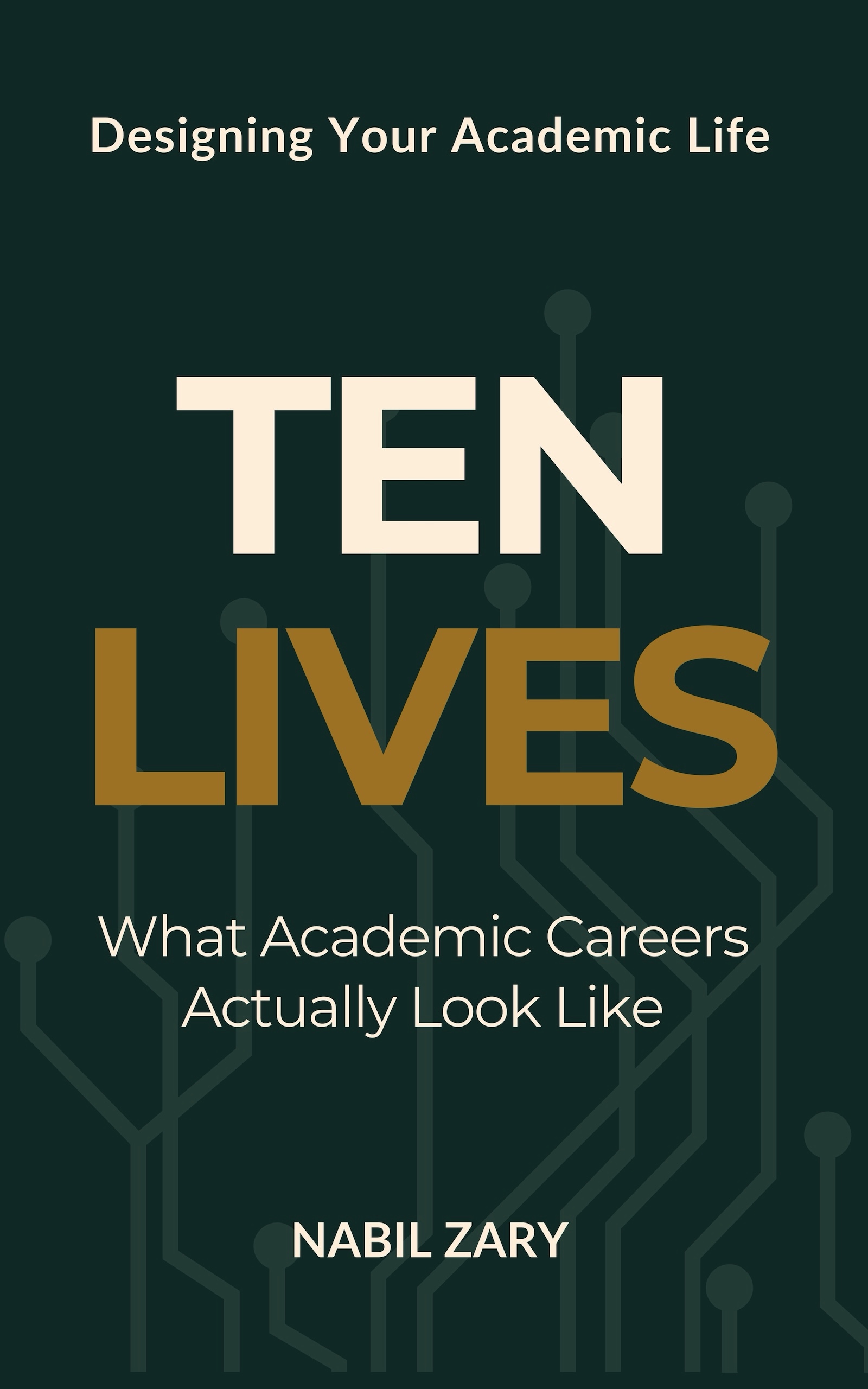
Ten true stories of people who completely changed their lives. Ten Lives pairs each story with the brain science that explains how real change happens. It asks a simple but big question: what does it take to become someone new?
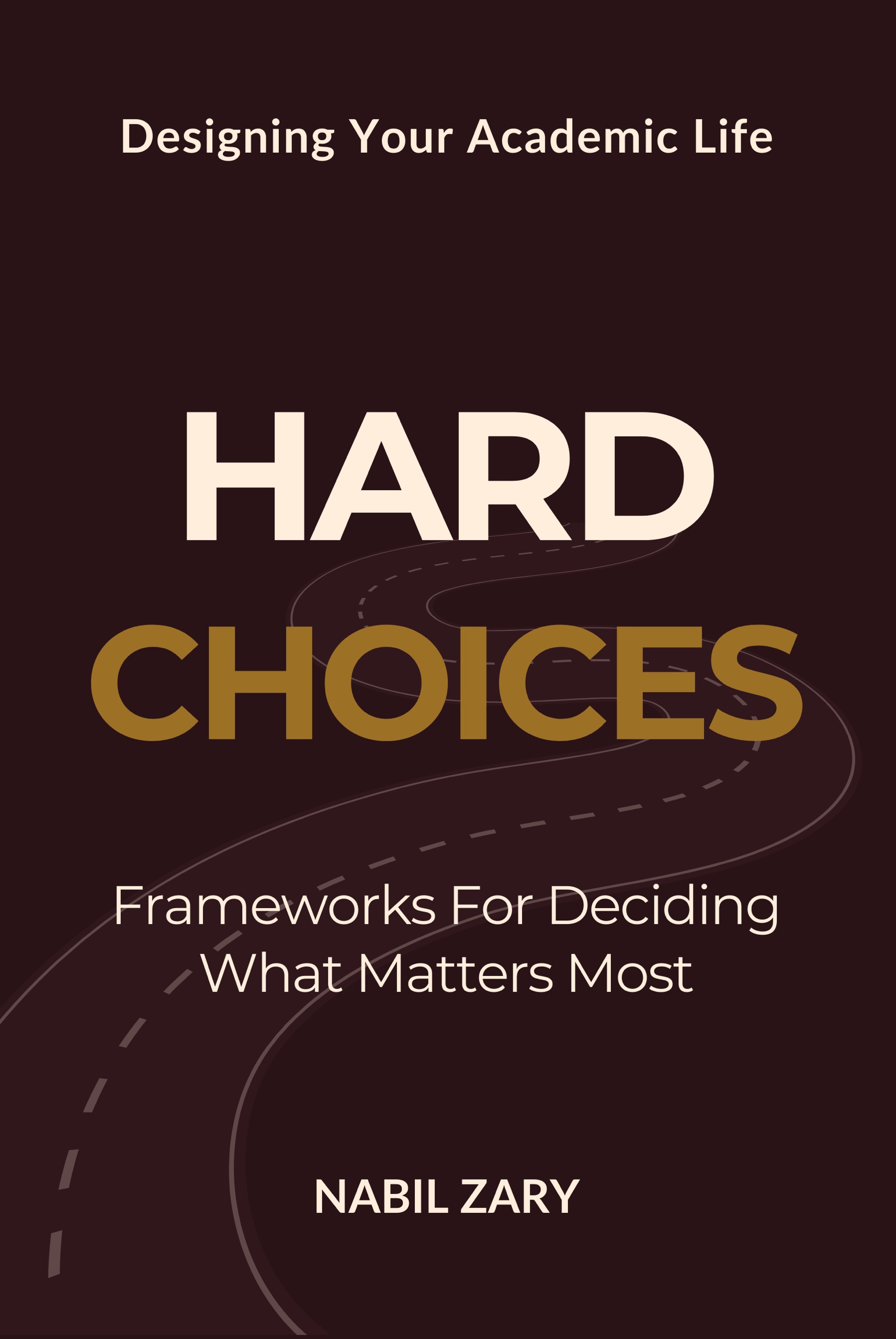
If important decisions leave you stuck, Hard Choices explains why and helps you move forward. It covers the brain science of decision-making and gives you a practical system for making choices with confidence. Difficult decisions are not a weakness. They are a sign of a careful mind.
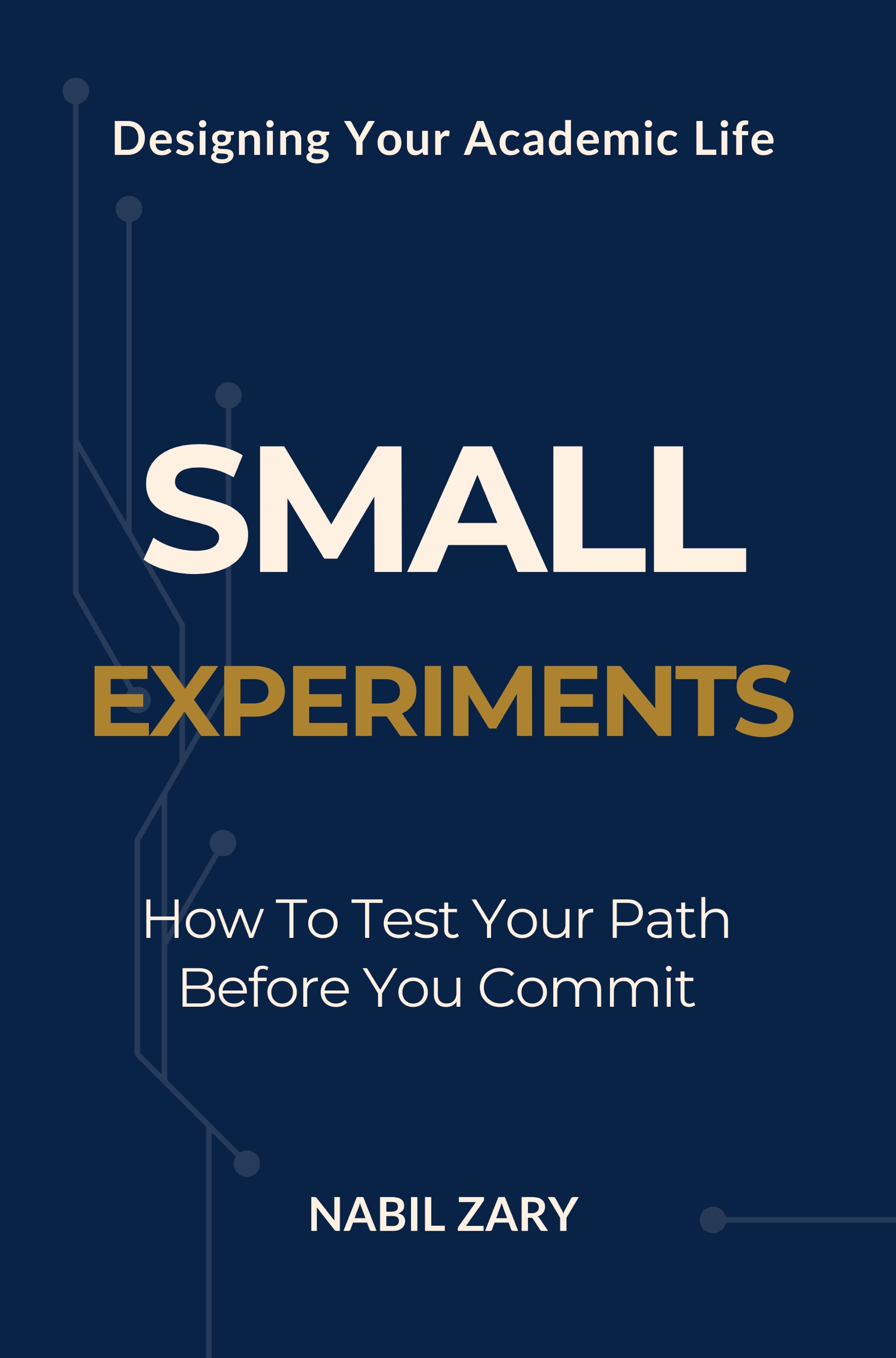
If you want to move forward but keep waiting for the perfect plan, Small Experiments gives you a better way. Start small. Try things. Learn from what happens. The book uses brain science to show you how to run simple tests in your own life and make sense of the results.
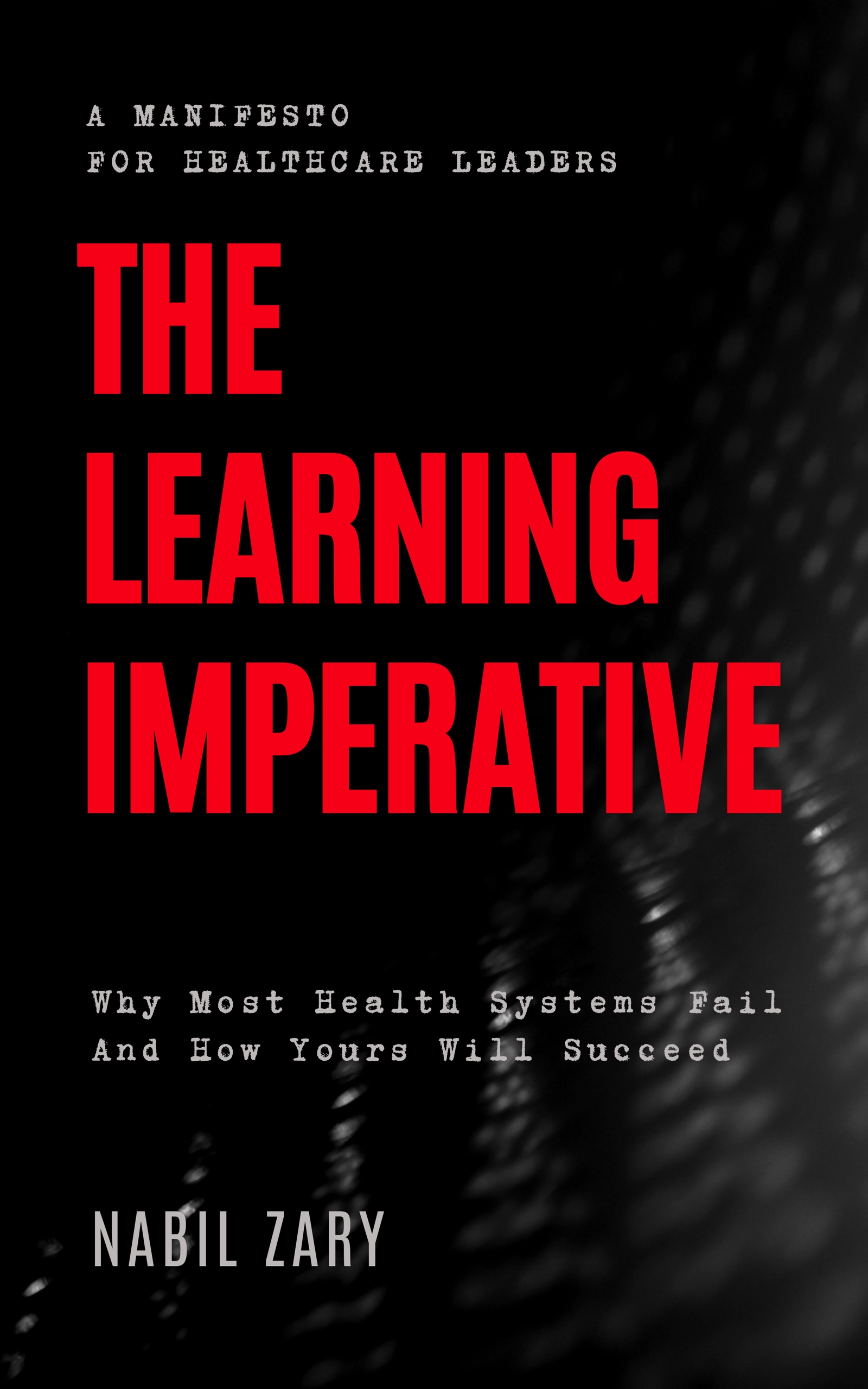
Continuous learning isn't a nice-to-have — it's the condition for staying relevant. The Learning Imperative makes the neuroscience-backed case for why organizations that learn survive, and gives leaders the tools to build cultures where growth is the default, not the exception.
04 / Academic depth
My work sits at the meeting point of learning science, institutional leadership, and health professions education. Across roles and countries, the recurring question is the same: how do people and systems develop the capacity to change?
This academic foundation gives the public writing its depth; the books give the ideas room to travel.
View my Google Scholar profile05 / Monthly letter
A personal, substantive letter on learning, change, and the questions behind the books—once a month, without a separate newsletter brand.
Receive the field guide Begin with Seven Questions That Change How You See the Problem, then receive one thoughtful letter each month.